Most people treat bone health like retirement planning in their twenties. It feels like an issue for another decade, something to worry about once grey hairs appear, or joints start to creak. That mindset is a trap. Bone density is not just an older adult problem; it's a lifelong project that requires attention right now.
Why Bone Health Should Be Your Priority Now
Think of your skeleton as a biological savings account. During childhood, your teenage years, and your early twenties, you make massive deposits. In fact, up to 90% of your peak bone mass is in the bank by age 18 for women and age 20 for men. Your balance hits its absolute peak between ages 20 and 30.
After you cross 40, your body begins quietly making withdrawals. Bone breakdown starts outpacing bone remodeling, and that process accelerates rapidly during the first five to seven years following menopause.
The numbers tell a sobering story. In the United States, roughly 54 million adults age 50 and older have osteoporosis or low bone mass.¹ Osteoporosis causes approximately two million fractures every year. About one in two women and up to one in four men over 50 will break a bone from this condition during their lifetime.
When you lose bone density, you don't feel it. There is no warning pain or stiffness until a wrist snaps or a hip gives out from a routine slip. That is why building protective habits early is your best defense.
The Power Duo of Calcium and Vitamin D
You cannot talk about skeletal strength without talking about calcium and vitamin D. They work together like brick and mortar. Calcium provides the structural mineral blocks, while vitamin D unlocks the gut barrier so your bloodstream can absorb that calcium in the first place.
For calcium, modern medical guidance emphasizes food first. High-dose supplements can raise the risk of kidney stones and soft-tissue calcification, whereas food sources are absorbed smoothly and safely.
Most adults need 1,000 mg of calcium daily, stepping up to 1,200 mg for women age 51 and older and men age 71 and older.² Reaching that number through your daily meals is simpler than you might expect
• Plain low-fat yogurt: Delivers roughly 415 mg per 8-ounce cup, covering over a third of your daily target.
• Canned sardines or salmon with soft bones: Provides around 325 mg per 3-ounce serving along with healthy fats.
• Fortified plant milks: Offer anywhere from 300 to 450 mg per cup in almond, soy, or oat varieties.
• Cooked leafy greens: Give you 150 to 260 mg per cup of collard greens or bok choy.
If you cannot hit your target through food, a supplement can bridge the gap. Keep in mind that your gut cannot efficiently absorb more than 500 to 600 mg of supplemental elemental calcium at once. If you need a supplement, split it into smaller morning and evening doses. If you take acid-blocking medications, choose calcium citrate, which does not require stomach acid to break down.
Vitamin D guidance has also evolved. Updated clinical guidelines clarify that healthy adults under 75 do not need routine blood tests or megadose supplements.³ Instead, stick to a steady daily intake of 600 to 1,000 IU from sensible sun exposure, fortified foods, or a standard daily supplement. Avoid monthly mega-dose pills, since clinical trials link huge bolus doses to sudden spikes in fall risk.
Movement That Matters for Skeletal Strength
Does your daily stroll protect your spine? Walking is great for cardiovascular health, but bones demand something more specific: mechanical force.
Bone is living, dynamic tissue. When muscles pull on bone or when your feet strike the ground, a process called mechanotransduction kicks in. Your cells detect the physical strain and respond by laying down a new mineral matrix. Activities without impact, like swimming and road cycling, leave your bones virtually unchallenged.
To build and preserve bone density, combine three distinct forms of exercise
• Weight-bearing impact: Activities like brisk walking, hill hiking, tennis, and stair climbing create ground-reaction forces that strengthen your hips and spine. Aim for 30 minutes, four to five days a week.
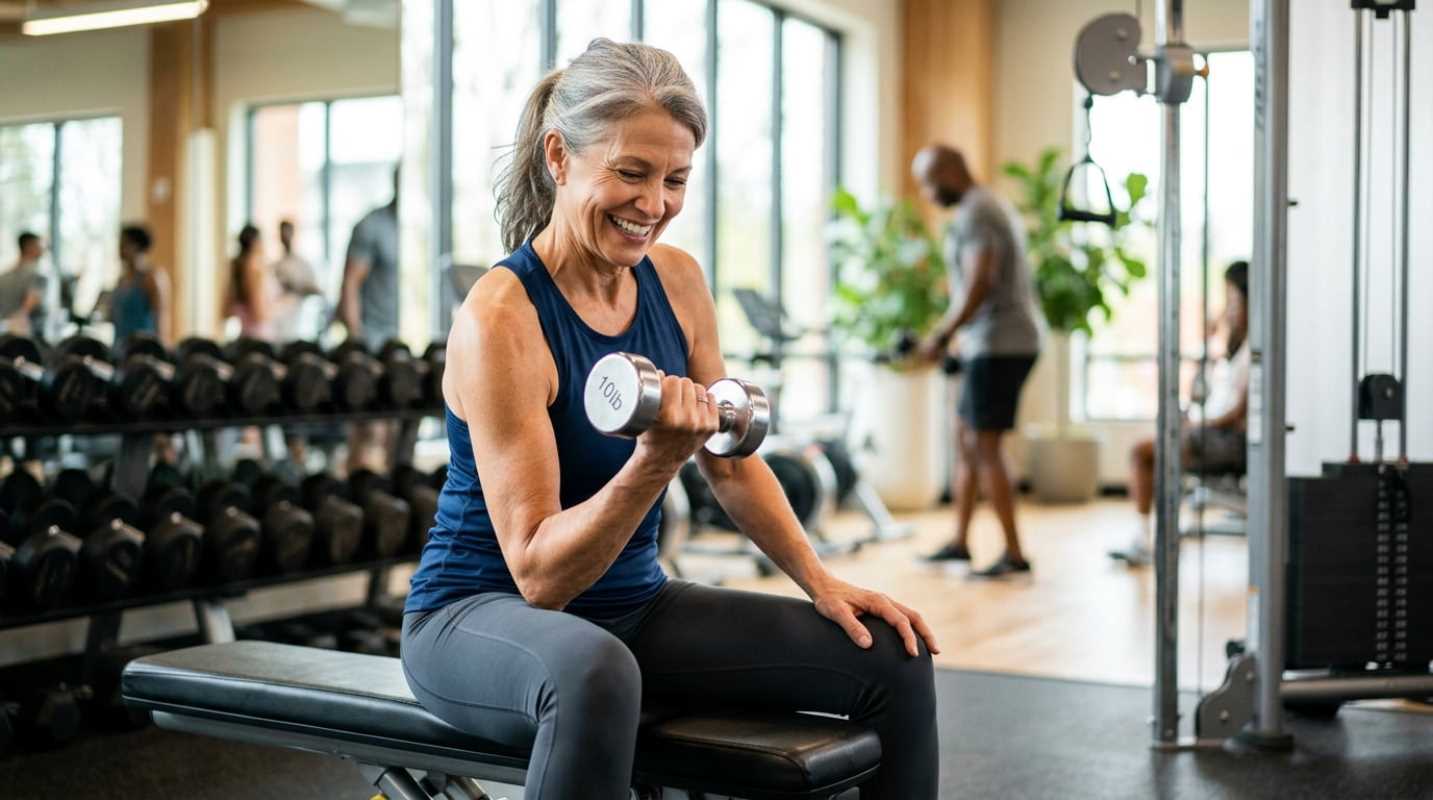
• Progressive resistance training: Lifting free weights, using gym machines, or working with heavy resistance bands twice or three times a week signals your bones to adapt. Focus on squats, hip hinges, and seated rows with enough resistance that the last few reps of an 8 to 12 rep set feel challenging.
• Balance and fall prevention: Exercises like tai chi, heel-to-toe walking, and single-leg balance drills cut your risk of falling. Since falls cause the vast majority of hip fractures, balance work is just as protective as lifting weights.
If you have already been diagnosed with low bone density, protect your back by avoiding rapid trunk flexion paired with twisting. Skip aggressive crunches or aggressive golf swings, which place compressive stress on the vertebrae.
Lifestyle Habits That Protect Your Skeleton Beyond Supplements
Diet and lifting form your foundation, but daily lifestyle choices can either preserve or dismantle that hard work.
Smoking is an absolute disaster for your skeleton. Nicotine and related chemicals slow down osteoblast activity (the cells that build bone), lower intestinal calcium absorption, and reduce circulating estrogen levels. Heavy alcohol consumption causes similar damage by interfering with liver enzymes needed to activate vitamin D.
Stress also takes a measurable toll. When you live under chronic psychological strain, elevated cortisol levels signal your body to break down bone tissue and dump calcium into your urine. Prioritizing seven to eight hours of solid sleep gives your endocrine system the recovery window it needs to support bone remodeling.
Finally, do not skimp on dietary protein. Bones are not just mineral chalk; roughly 50% of bone volume is made of a collagen protein matrix. Adequate protein intake gives your skeleton the flexible scaffold it needs to absorb shock without splintering.
Taking Control of Your Future Mobility
Protecting your bones does not require an overhaul of your entire life. It comes down to manageable, consistent choices: ordering yogurt with breakfast, carrying groceries up the stairs, lifting weights twice a week, and catching some fresh air every afternoon.
If you are a woman age 65 or older, or a man over 70, talk to your primary care physician about scheduling a painless, low-dose DXA scan. You should ask about screening even earlier if you have a family history of osteoporosis, take long-term steroid medications, or broke a bone after a minor stumble.
Your skeleton carries you through every decade, every hike, and every milestone. When you invest in your bone density today, you are protecting your personal independence and freedom of movement for decades to come.
Sources:
1. Novant Health - New Osteoporosis Guidelines
https://www.novanthealth.org/healthy-headlines/new-osteoporosis-guidelines-what-women-need-to-know
2. Bone Health & Osteoporosis Foundation - Calcium and Vitamin D
https://www.bonehealthandosteoporosis.org/patients/treatment/calciumvitamin-d/
3. Endocrine Society - Vitamin D Clinical Practice Guideline
https://www.endocrine.org/news-and-advocacy/news-room/2024/endocrine-society-recommends-healthy-adults-take-the-recommended-daily-allowance-of-vitamin-d
*This article on Travado is for informational and educational purposes only. Readers are encouraged to consult qualified professionals and verify details with official sources before making decisions. This content does not constitute professional advice.*