Most of us grew up hearing the same basic lecture from dentists. Brush twice a day so you don't get cavities. Floss so your breath stays fresh. Keep your teeth white so you can flash a confident smile in photos.
Because of that messaging, it's easy to view dental care as a cosmetic chore. You schedule a cleaning when your calendar opens up, or maybe you push it off for six months because your teeth feel fine. Have you been there?
Here's the reality: your mouth is an open doorway to the rest of your body. What happens on your gums doesn't stay on your gums. When you treat dental visits as optional beauty maintenance, you miss out on one of the most effective preventive health habits available today. Regular preventive care sets the foundation for your long-term wellness, protecting your heart, your metabolic health, and your daily energy.
The Hidden Connection Between Dental and Overall Health
Think of your mouth as an ecosystem. It's home to hundreds of species of bacteria. When you brush and floss regularly, you keep that microbial community balanced. But when plaque builds up and hardens into tartar, it triggers inflammation along the gumline.
That inflammation causes gum tissue to pull away from your teeth, forming small pockets. Inside those dark pockets, aggressive bacteria like Porphyromonas gingivalis thrive. As the tissue bleeds, these pathogens gain direct access to your bloodstream.¹
Once bacteria enter your circulation, your immune system sounds the alarm. Your body releases inflammatory signals into your blood, including high-sensitivity C-reactive protein, interleukin-6, and tumor necrosis factor-alpha.
These inflammatory chemicals don't just target your gums. They circulate through your entire body, irritating blood vessel walls and creating widespread stress. Chronic gum disease puts your whole system on permanent high alert.
How Oral Issues Impact Chronic Conditions
This persistent inflammatory state triggers a domino effect across several major systems in your body.
Cardiovascular disease is one of the clearest examples. When bacteria like P. gingivalis hitch a ride through your bloodstream, they can lodge directly inside arterial plaques and aortic valves. Researchers at University College London tracked adults over two years in a clinical trial and found that non-surgical treatment for gum disease actively slowed the thickening of carotid artery walls. That matters because thickened carotid walls directly predict strokes and heart attacks.
Recent clinical data also show that patients with both severe gum disease and diabetes face more than double the risk of recurrent major cardiovascular events compared to those without either condition. Gum disease alone bumps up that risk by 52%.
The connection to diabetes works in both directions.² High blood sugar makes gum infections worse, while active gum disease makes insulin resistance much harder to manage. In clinical trials, deep dental cleanings lowered fasting blood sugar by nearly 6 mg/dL and dropped HbA1c levels by up to 0.5% within a few months. To put that in perspective, a 0.5% drop in HbA1c is comparable to what doctors expect when adding a second prescription diabetes medication.
The cost of neglecting this connection is steep. Clinical assessments from the American Diabetes Association found that over 89% of patients with severe diabetic complications had active or past severe periodontitis. Routine dental visits help stop that destructive cycle before it starts.
Why Your Semi-Annual Exam Is Non-Negotiable
A lot of people wonder why they need to visit the dentist if they brush and floss every day. Can't you just clean your teeth well at home and skip the co-pay?
The simple answer is no. Even with the best toothbrush, soft plaque hardens into tartar within 24 to 72 hours. Once tartar forms, you can't brush it away. Only specialized dental instruments can scale it off without damaging your enamel.
A routine checkup is also a key screening session
• Deep tartar removal: Hygienists clean below the gumline where your toothbrush bristles cannot reach, eliminating hidden bacterial colonies.
• Early cancer detection: Dentists check your tongue, throat, and tissues for early abnormalities, catching dangerous lesions before they spread.
• Systemic warning signs: Dentists are often the first clinicians to spot early symptoms of nutritional deficiencies, osteoporosis, or diabetes.³
• Cost prevention: Catching a tiny cavity costs a fraction of the thousands of dollars required for root canals, crowns, or dental implants down the road.
Skipping preventive care to save a few dollars is an expensive gamble with both your wallet and your health.
Building a Daily Routine for Long-Term Wellness
Professional exams give you a clean slate, but your daily habits protect that baseline. You don't need an hour-long ritual, but you do need consistency.
Here are the core daily habits that keep bacteria under control
• Brush for two full minutes: Use a soft-bristled brush twice a day, angling the bristles at 45 degrees toward your gumline to sweep away plaque.
• Floss daily without fail: Brushing cleans only about 60% of your tooth surfaces. Floss gets into the tight spots where harmful bacteria multiply.
• Watch the sugar and acid: Constant snacking on refined carbohydrates and acidic drinks feeds destructive bacteria and weakens protective enamel.
• Avoid tobacco products: Smoking restricts blood flow to your gums, masking bleeding and accelerating bone loss around your teeth.
Think of your oral routine as a needed form of daily self-care. It takes five minutes a day to protect your cardiovascular system and keep your metabolism running smoothly.
Equipping yourself with the right tools makes sticking to your routine much easier. Here are our top product recommendations to upgrade your daily oral hygiene routine.
Investing in Your Future Self
The old divide between the mouth and the rest of the body was always an artificial creation of medical billing, not biology. Your teeth and gums are directly linked to your heart, your blood sugar, and your immune system.
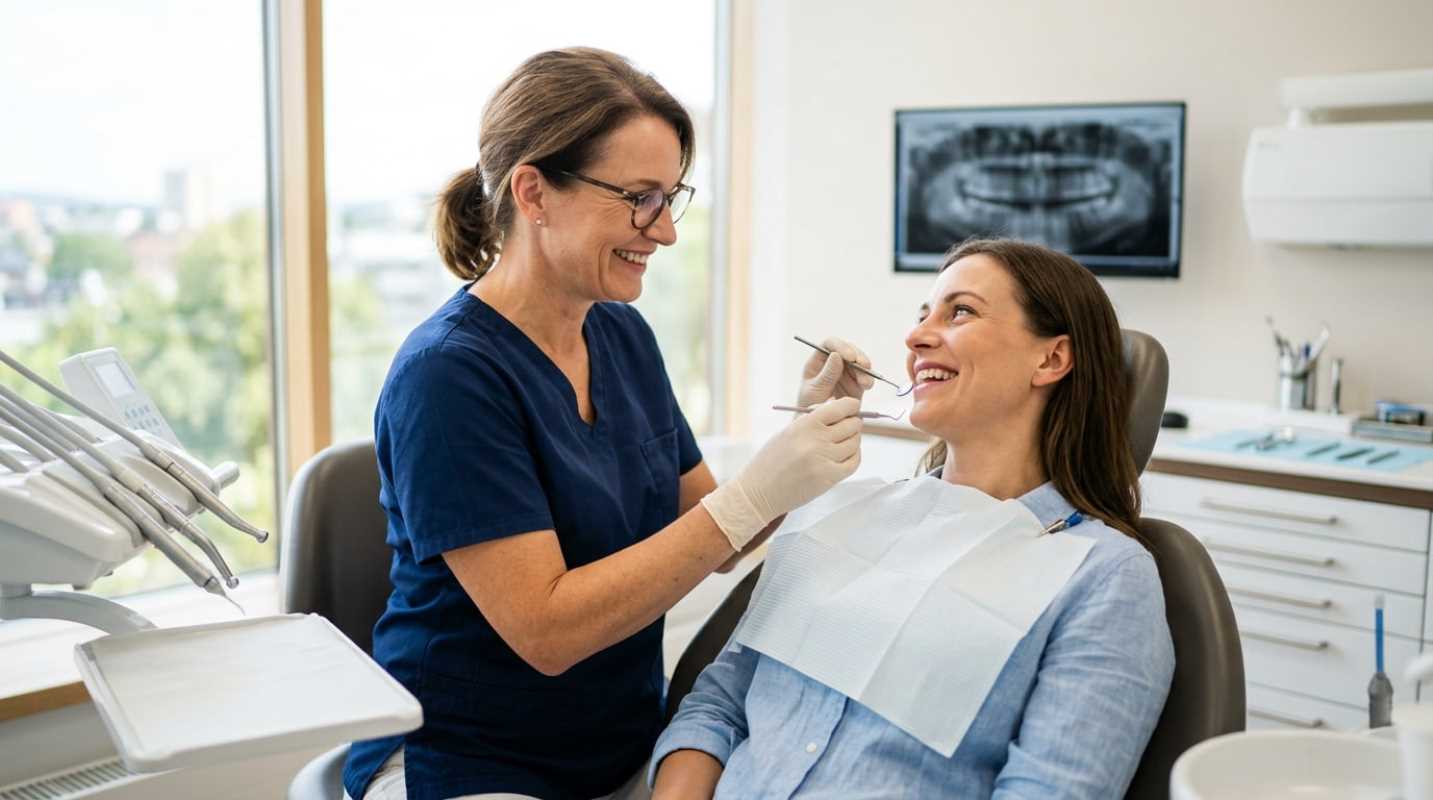
When you sit in the dental chair for a routine cleaning, you're doing more than polishing your enamel. You're calming systemic inflammation, taking pressure off your arteries, and giving your body a better chance at healthy aging.
Don't wait until a tooth hurts to schedule an appointment. Pick up the phone, book that semi-annual checkup, and treat your oral health as the powerful longevity tool it really is.
Sources:
1. Oral-Systemic Health
https://www.ada.org/resources/ada-library/oral-health-topics/oral-systemic-health
2. The Oral Health and Systemic Disease Connection
https://topdoctormagazine.com/chronic-care/oral-health-systemic-disease-connection-doctors/
3. An Oral-Systemic Focus for Best Patient Care
https://adanews.ada.org/ada-news/2025/october/an-oral-systemic-focus-for-best-patient-care/
*This article on Travado is for informational and educational purposes only. Readers are encouraged to consult qualified professionals and verify details with official sources before making decisions. This content does not constitute professional advice.*