 (Image via
For generations, our lives were built around a central anchor: the office. We chose where to live based on commute times, structured our days around a 9-to-5 schedule, and saved our adventures for a few weeks of vacation a year. But the world has shifted on its axis, and the rise of remote work has handed us a brand new blueprint for living.
The ability to work from anywhere isn't just changing where we work; it's revolutionizing how we live. Welcome to the era of intentional lifestyle design, where flexibility is the new currency and you are the architect of your own daily existence. Get ready to explore how this incredible freedom is reshaping our homes, our travels, and our very definition of a well-lived life!
The Home as the New Headquarters
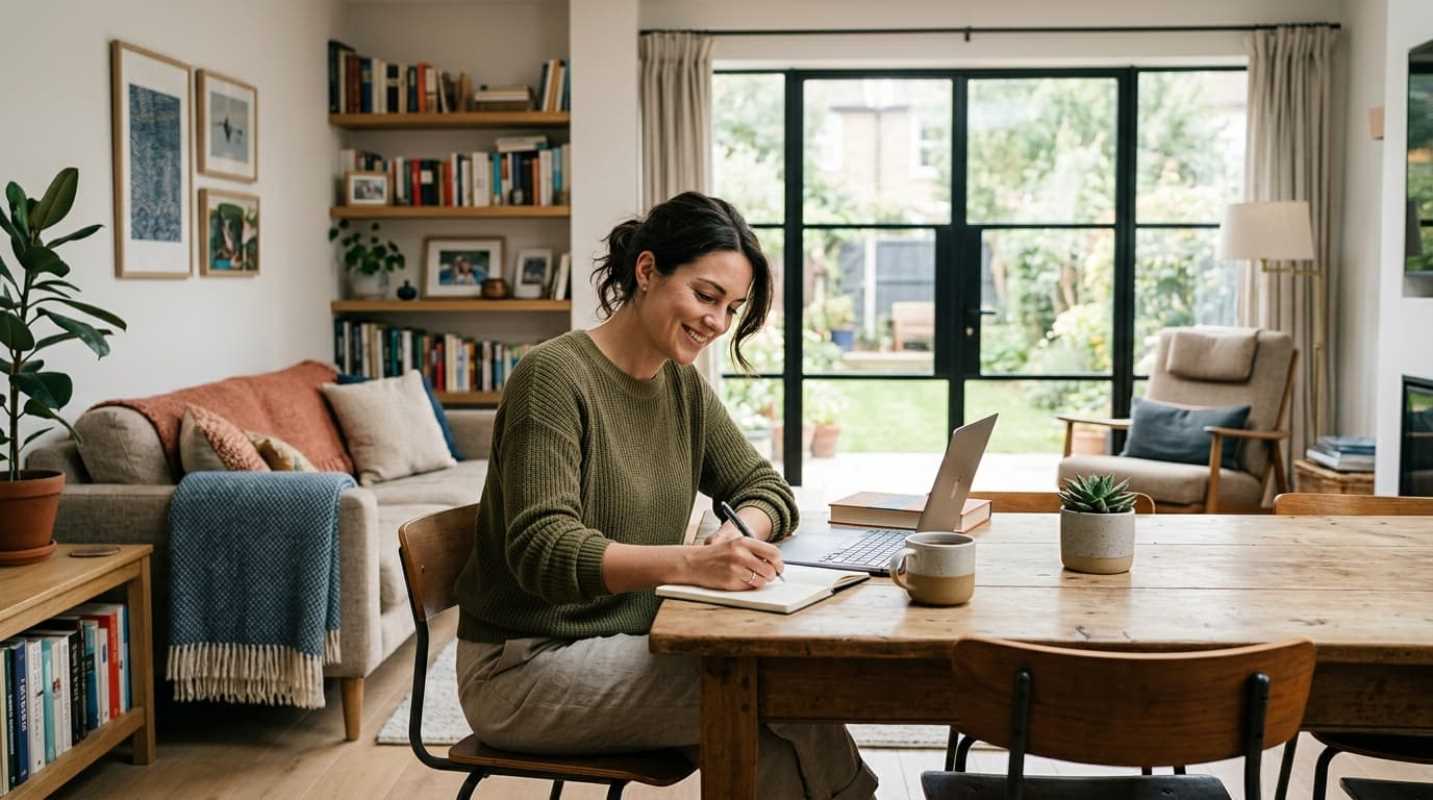
When your home is also your office, its design needs evolve dramatically. The open-concept layout that was once perfect for entertaining now presents challenges for concentration. This has sparked a wave of brilliant home design trends focused on creating multi-functional, productive, and peaceful living spaces.
- The Rise of the "Cloffice": Not everyone has a spare room for a dedicated office. This has led to the ingenious "cloffice" (closet office), where a closet is converted into a compact, closeable workspace. It’s the ultimate solution for separating work from life in a small space.
- Flexible and Adaptable Layouts: We're seeing a move toward spaces that can transform throughout the day. Think Murphy beds that reveal a desk, dining tables that double as conference tables, and modular furniture that can be reconfigured for work, relaxation, or hosting guests.
- The Backyard Shed-Quarters: For those with outdoor space, the backyard office shed has become the ultimate dream. It offers a true physical separation from the main house, creating a "commute" of just a few steps while providing a dedicated, quiet zone for deep work.
Untethered: Redefining Travel and Community
What happens when you're no longer tied to a single location? The world truly becomes your oyster. The flexibility of remote work has given birth to a new class of travelers and residents who are rewriting the rules of what it means to be "settled."
- The Digital Nomad Revolution: Once a niche lifestyle, digital nomadism has gone mainstream. Professionals from all industries are packing their laptops and embracing long-term travel, spending months at a time exploring new countries while staying connected to their careers.
- The Growth of Co-Working and Co-Living: To combat the potential isolation of remote work, co-working spaces are booming globally. They offer more than just a desk and Wi-Fi; they provide community, networking opportunities, and a professional environment. Co-living spaces take this a step further, combining private living quarters with shared communal areas to foster instant social connections in a new city.
- The "Work-cation" Blur: The traditional one-week vacation is being replaced by longer, more immersive travel experiences. Families and individuals are renting homes in new locations for a month or more, combining workdays with local exploration and adventure.
The Great Rebalancing Act: Benefits and Challenges
This newfound freedom is powerful, but it comes with its own set of challenges. Designing a successful remote lifestyle means learning to navigate both the peaks and the valleys.
The Incredible Benefits:
- Unmatched Autonomy: You have the power to structure your day around your energy levels and personal commitments, leading to greater work-life integration.
- Geographic Freedom: You can choose to live in a place that truly makes you happy, whether that's closer to family, in a lower cost-of-living area, or surrounded by nature.
- Increased Productivity: For many, the ability to control their environment and eliminate the distractions of a traditional office leads to more focused, efficient work.
The Common Challenges:
- The "Always On" Culture: Without the physical boundary of leaving an office, it can be difficult to switch off. Work can easily bleed into personal time if you're not disciplined.
- Social Isolation: The spontaneous "water cooler" conversations and team lunches are gone. It requires a more intentional effort to build and maintain social and professional connections.
- Setting Up for Success: Not every home is equipped for productive work. Challenges like unreliable internet, lack of ergonomic furniture, and household distractions can be major hurdles.
Actionable Tips for Designing Your Remote Lifestyle
Ready to harness the full potential of remote work flexibility? Here are some amazing tips to help you build a life that works for you.
- Create Your "Third Space": If you can't have a dedicated office, create a ritual that signals the start and end of your workday. It could be a short walk around the block (a "fake commute"), changing your clothes, or listening to a specific playlist.
- Be Intentional About Community: Schedule virtual coffee chats with colleagues. Join local clubs or groups that align with your hobbies. Make a point to work from a coffee shop or co-working space once a week to be around other people.
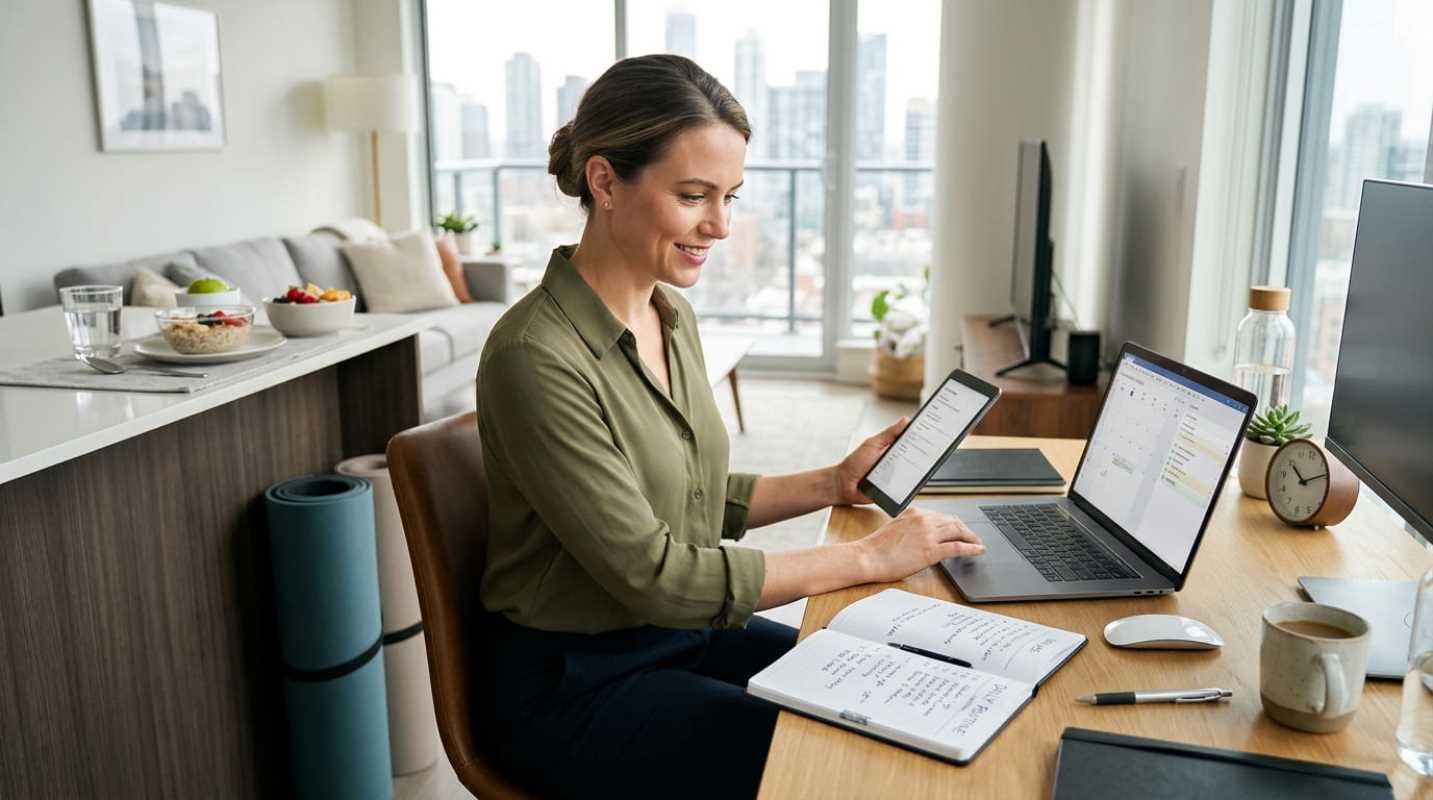
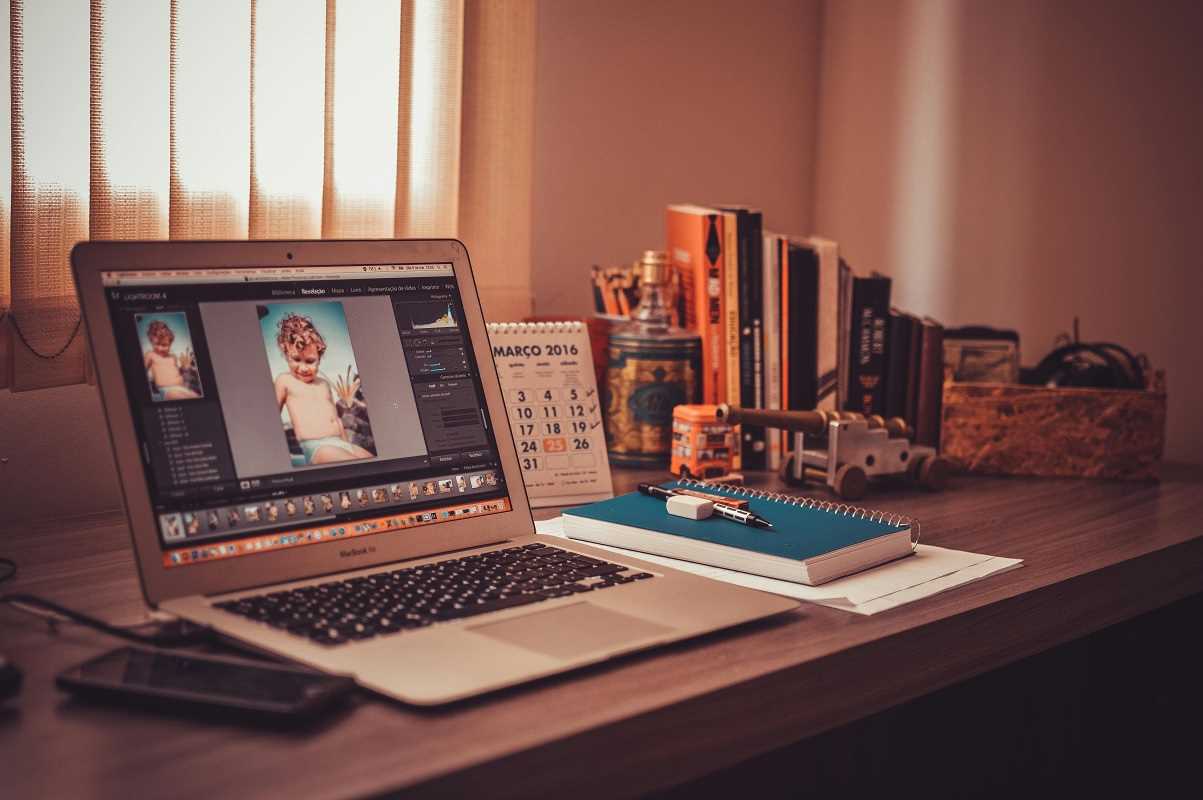
- Invest in Your Workspace: Prioritize an ergonomic chair and a good monitor. Ensure you have reliable, high-speed internet. A comfortable and functional workspace is a non-negotiable investment in your well-being and productivity.
- Master Asynchronous Communication: Embrace tools like Slack, Asana, and Loom to communicate effectively with your team across different time zones. This reduces the need for constant meetings and allows for more deep work.
- Design for "Off" Time: Block out personal time on your calendar with the same commitment you give to work meetings. Schedule your workouts, hobbies, and social events to protect your work-life balance.