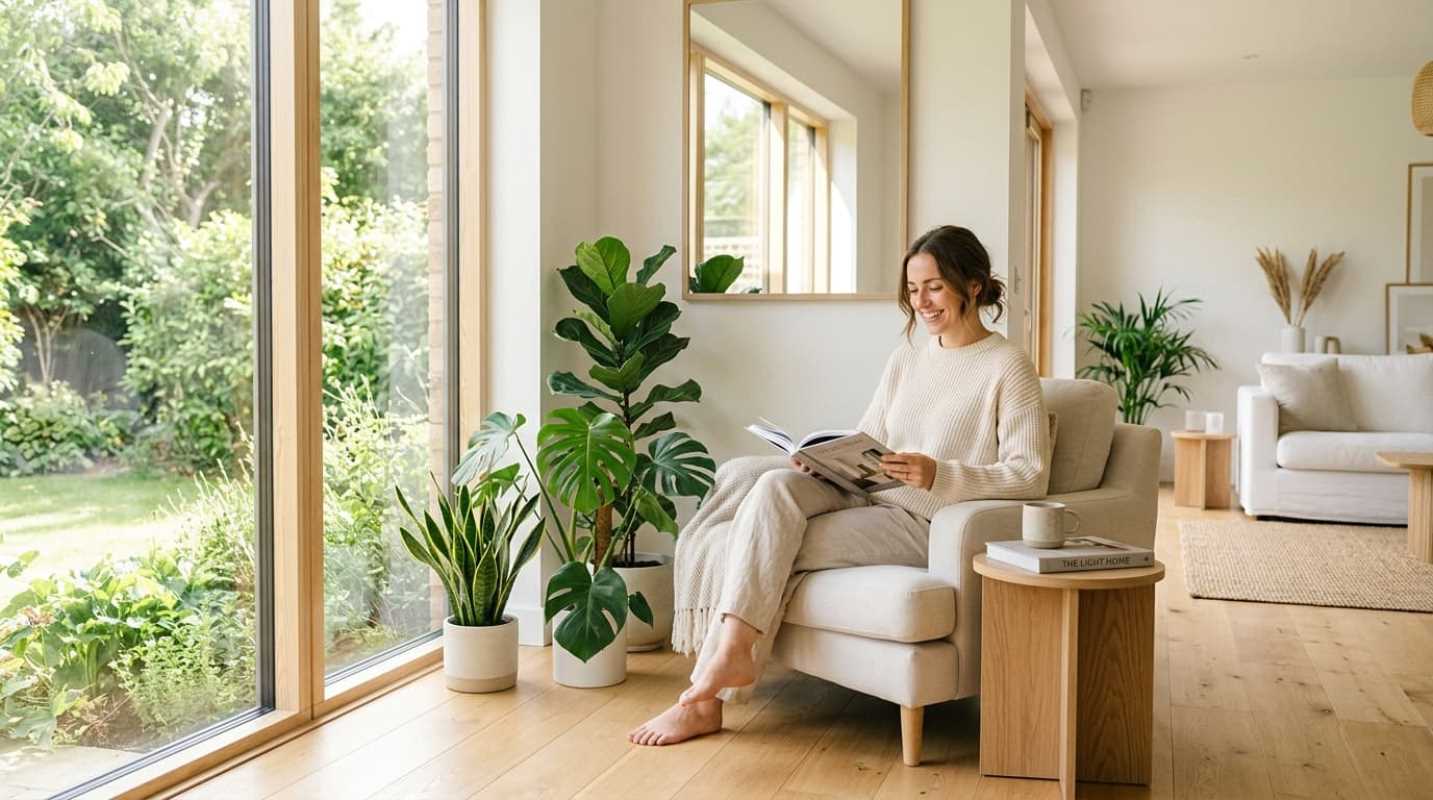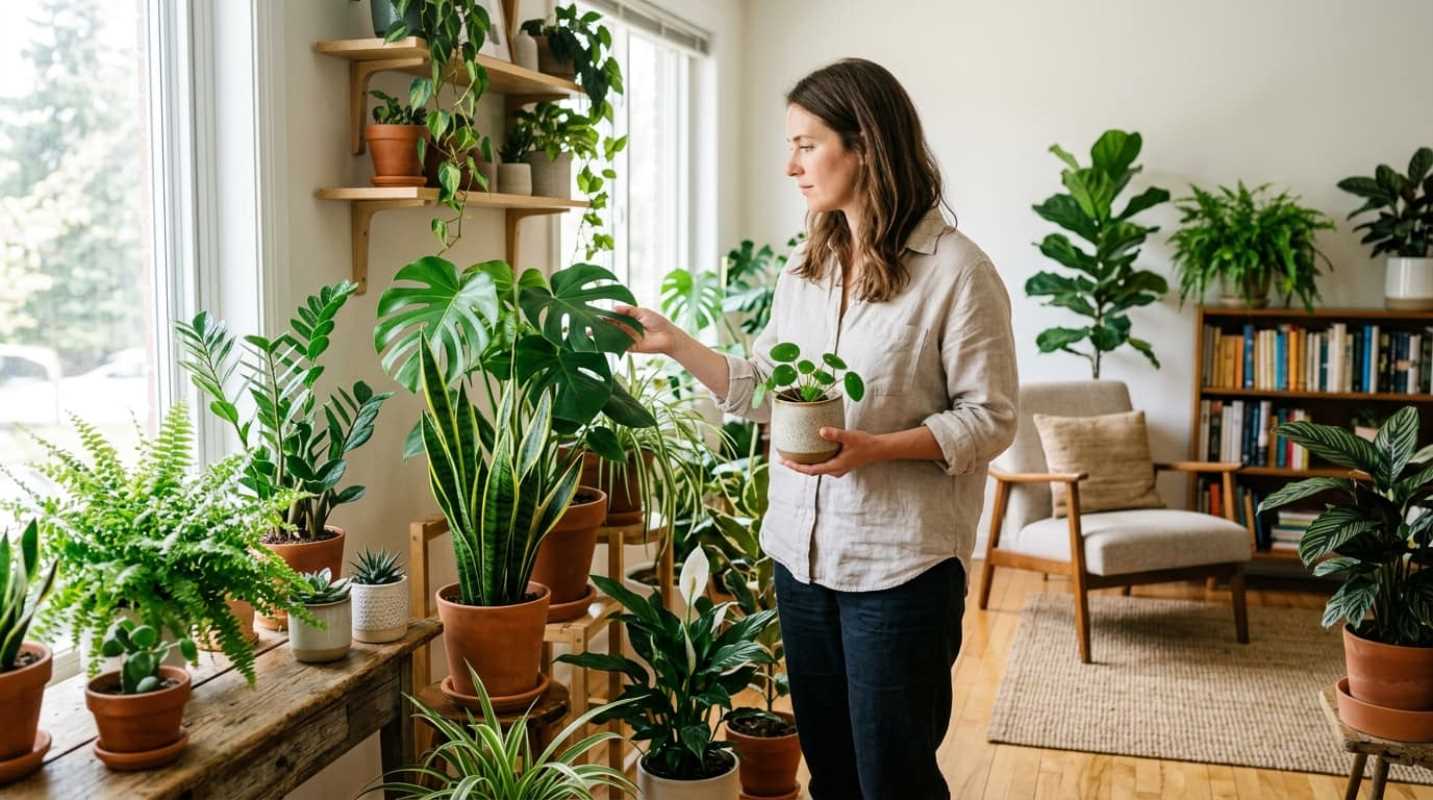
Walking into a garden center can feel intoxicating. You see towering fiddle-leaf figs, lush monsteras with wild split leaves, and trailing vines that look straight out of an interior design magazine. You grab whatever catches your eye, bring it home, set it on a coffee table, and hope for the best.
Three weeks later, the leaves turn brown and drop. Have you been there? Most of us have.
Biophilic design is bigger than ever in 2026, with people eager to turn their living rooms into peaceful green sanctuaries. But building a growing indoor setup comes down to pure environmental compatibility. When you buy a plant based solely on how pretty it looks on a shelf, you are gambling with its life.
When you pick a plant that genuinely matches your living space and daily habits, success becomes almost effortless. You can become a confident plant parent, and it starts before you spend a single dollar at the register.
Assessing Your Indoor Growing Conditions
Before you even browse a nursery catalog, you need to play detective in your own home. Identifying your baseline environment is the non-negotiable first step.
Light is the single most important factor in plant survival. Human eyes adjust automatically to dim environments, which tricks our brains into overestimating how bright a room actually is. Outdoor sunlight delivers between 10,000 and 12,000 foot-candles, but light drops off dramatically the moment it passes through window glass.¹ According to the University of Minnesota Extension, plants receive only a fraction of outdoor light levels once placed inside a typical room.¹ Under the inverse square law of light, moving a pot from two feet away from a window to six feet cuts usable photosynthetic light by nearly 90 percent.
Take a day to map out your windows and light patterns
• Low light (25 to 100 foot-candles): Found near north-facing windows or deep inside a room, about eight to twelve feet away from east or west windows. You can read a book comfortably without a lamp, but objects cast faint, fuzzy shadows.
• Medium indirect light (100 to 500 foot-candles): Common on north-facing sills or three to six feet back from east-facing windows. Shadows are distinct yet soft.
• Bright indirect light (500 to 1,000 foot-candles): Found right next to an east-facing window with gentle morning sun, or near a south-facing window diffused by sheer curtains. Shadows are sharp and dark without leaves overheating.
• Direct sunlight (1,500 to 4,000 foot-candles): Unobstructed south- or west-facing window sills where intense rays hit foliage directly for four to six hours daily.
Next, look at humidity and temperature. Tropical houseplants evolved under rainforest canopies with 50 to 70 percent relative humidity. In winter, running central heating often plummets indoor air down to 10 or 20 percent humidity, which is drier than an open desert. Keep an eye out for thermal kill zones, too. Placing green foliage within three feet of a blast furnace vent, radiator, or drafty winter entryway spells trouble.
The Low-Maintenance Plants You Can’t Kill
If you are just getting started, give yourself an easy win. Certain species evolved to withstand months of drought, low light, and irregular care. Choosing these varieties lets you build your confidence without the heartache of sudden leaf drop.
The secret behind hardy greenery is water-storage anatomy. Some species carry underground potato-like tubers that store reserve moisture, while others have thick succulent leaves. If you forget to water them for three weeks, they barely notice.
Here are the top champions for stress-free gardening
• ZZ plant: Thrives on neglect, tolerates deep shade down to 30 foot-candles, and only asks for water once a month.
• Snake plant: Handles nearly any exposure from dim corners to bright sun, practically begging you to leave it alone.
• Cast iron plant: Earned its name honestly by surviving dim rooms, drafty hallways, and dusty air without complaint.
• Golden pothos: A forgiving trailing vine that tolerates missed waterings and visibly curls its leaves when it needs a drink.
Matching Plants to Your Lifestyle
Are you the type of person who hovers over your plants every morning, or do you vanish on business trips for ten days at a time? Be honest with yourself. More houseplants die from overwatering than from chronic underwatering.
University of Florida IFAS research shows that mismatching your plant to your actual indoor conditions and routine is the primary cause of houseplant failure.² Aligning your purchases with your care habits makes all the difference
• The enthusiastic nurturer: If your instinct is to water constantly, pick plants with high water consumption like Boston ferns or peace lilies. Pair them with porous, fast-draining soil so their roots still get oxygen.
• The frequent traveler: If you work long hours or travel constantly, stick with thick-stemmed succulents, ponytail palms, and snake plants that prefer completely dry soil between drinks.
• The pet owner: Safety is non-negotiable if you share your home with curious cats or dogs. Common favorites like monstera, pothos, and philodendrons contain insoluble calcium oxalate crystals that irritate mouths and cause vomiting.
For pet-safe greenery, stick to non-toxic selections
• Spider plant: Completely safe for pets and produces charming cascading offshoots.
• Peperomia varieties: Thick, ornamental leaves with compact growth habits that pose zero risk to pets.
• Parlor palm: Gives you a classic feathery palm look while remaining pet-safe.
• Calathea species: Safe for curious cats, sporting patterned foliage that folds up at night.
Pro Tips for Long-Term Plant Success
Once you bring your new additions through the front door, a few simple habits will keep them flourishing for years.
First, respect the drainage rule. Never plant directly into decorative ceramic pots without drainage holes at the bottom. Water pools at the base, creating a swamp that rots roots within days. Keep your plant in its plastic nursery pot and slide that container inside your pretty ceramic cachepot. When you water, let the excess drain out into the sink, or empty the saucer after twenty minutes.
Second, upgrade your potting mix. Standard bagged soil is often dense and peat-heavy, which packs down like cement after several waterings. Mix your own custom blend using 50 percent quality potting soil, 30 percent orchid bark, and 20 percent coarse perlite. This chunky texture creates tiny air pockets so root systems can breathe.
Third, ditch the calendar watering schedule. Your home environment changes every week depending on the weather and indoor heat, which means your plants drink at different rates. Use the two-inch rule instead: stick your finger or a wooden skewer two inches into the dirt. If it comes out damp, wait. If it feels dry, give it a thorough soak.
Finally, keep leaves clean. Cornell Cooperative Extension points out that proper cultural care, including clean foliage, keeps indoor greenery healthy and pest-free.³ A layer of household dust can block significant amounts of sunlight, slowing down photosynthesis. Wipe wide leaves with a damp cloth every month to keep your plant breathing freely.
Start Your Indoor Jungle Today
You do not need to turn your apartment into an overgrown botanical conservatory overnight. Start with one or two resilient species that match the light you already have.
Tending to houseplants provides real, everyday mental health benefits. Taking five minutes on a Sunday morning to inspect new leaf growth, wipe away dust, and check soil moisture offers a grounding pause in a screen-dominated routine. Trust your observations, give your plants time to adjust, and enjoy watching your indoor space come to life.
Sources:
1. Lighting for Indoor Plants
https://extension.umn.edu/garden-and-home/yard-and-garden/gardening-in-minnesota/lighting-for-indoor-plants
2. Light for Houseplants
https://gardeningsolutions.ifas.ufl.edu/plants/houseplants/light-for-houseplants/
3. Houseplant Care
https://ccenassau.org/horticulture/houseplant-care