Have you ever walked from your living room into the hallway and felt like you crossed into a different climate zone? Most of us have been there. We spend our days nudging the thermostat up and down, fighting drafts in January, and sweating through sticky July afternoons.
True home comfort is a moving target. The weather outside shifts every few months, and your living space needs to shift right along with it. Thinking of comfort as a set-it-and-forget-it setting is why so many people end up frustrated by their utility bills and drafty rooms.
Taking control of your environment does not require a massive renovation or a contractor on speed dial. A few intentional tweaks made at the start of each season can completely change how your rooms feel. By working with your home instead of fighting the outdoor elements, you can build a space that feels welcoming 365 days a year.
Mastering Temperature Control Through Passive Design
Before you touch your heating and cooling equipment, look at what your home is already doing naturally. Passive temperature control simply means managing sunlight, airflow, and air leakage before your mechanical systems kick in. Heating and cooling make up more than half of the typical household energy bill, so small passive fixes pay off quickly.
The biggest culprit behind temperature swings is usually air leakage. In an average home, all the tiny cracks around baseboards, windows, and doors add up to leaving an entire window open year-round. Sealing those sneaky gaps and properly insulating key areas like attics can cut heating and cooling costs by about 15 percent.¹ A tube of caulk and some fresh weatherstripping can fix hot and cold spots in an afternoon.
Windows are another major source of temperature trouble. During sweltering summer afternoons, unshaded south- and west-facing glass lets in intense solar heat. In the dead of winter, that same glass radiates your expensive warmth straight outside.
• Cellular Shades: Installing honeycomb shades creates an insulating pocket of air right against the glass, which can reduce summer heat gain by up to 60 percent.²
• Directional Airflow: Set ceiling fans to turn counterclockwise on medium or high speed during summer to create a cooling breeze, making you feel about four degrees cooler. In winter, flip the switch on the fan motor so the blades spin clockwise at low speed. This pulls cool air up and gently pushes trapped warm air down from the ceiling without creating a breeze.
• Draft Blockers: Place weighted draft snakes along the bottom of exterior doors leading to garages, basements, or porches to stop cold winter drafts in their tracks.
Refreshing Your Living Space for Spring and Summer
When spring arrives and temperatures climb, your home should feel light and airy. Heavy fabrics and dark corners trap visual and physical heat, turning your living room into an oven.
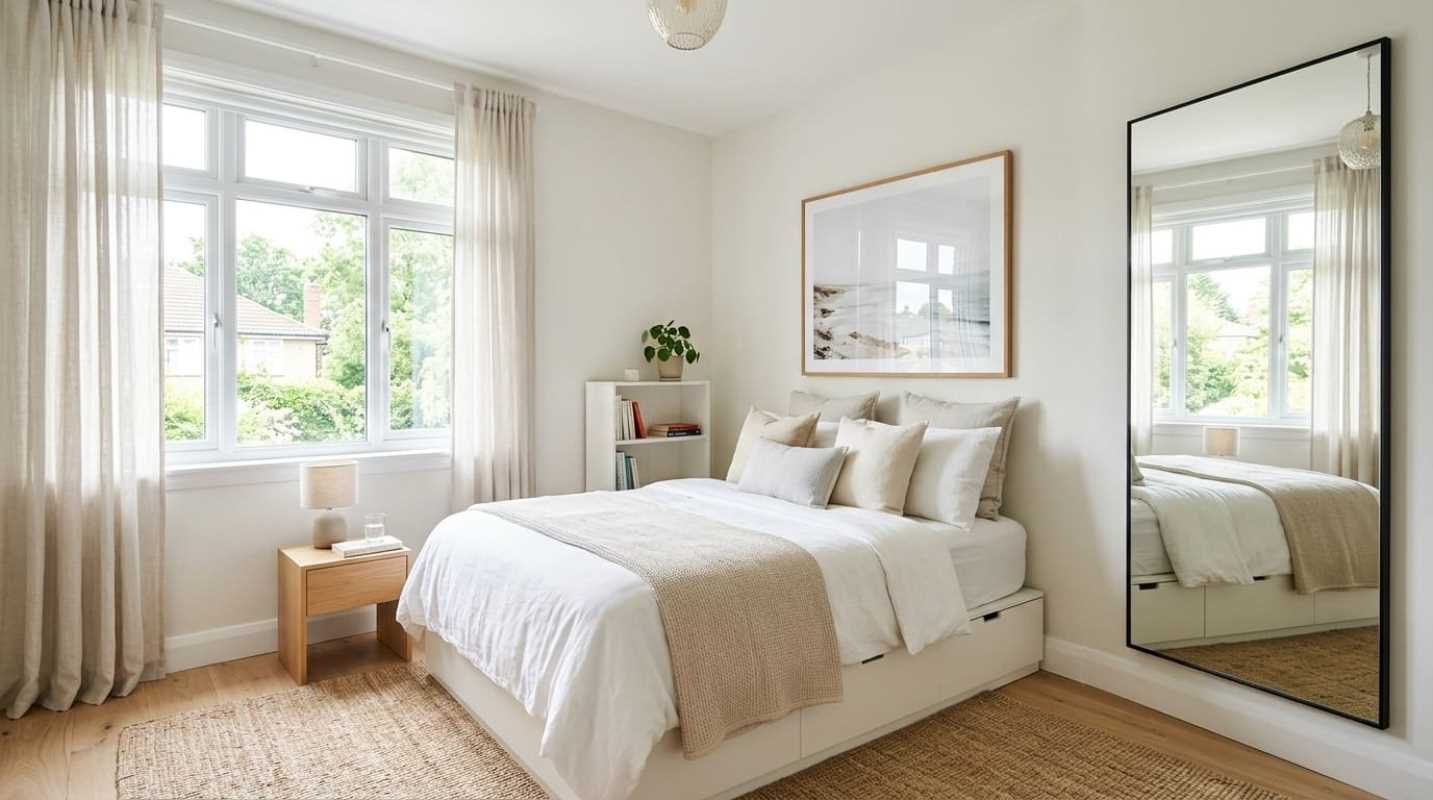
Start with your textiles. Pack away heavy wool blankets, faux fur throws, and velvet pillows in storage bins. Swap them for breathable fabrics like stonewashed linen and lightweight cotton. These materials breathe naturally and do not hold onto body heat, which makes lounging on the sofa on an August afternoon much more pleasant.
Indoor plants also provide a natural seasonal lift. Houseplants like Boston ferns, spider plants, and peace lilies introduce natural moisture and refresh indoor air. They help break up stale air pockets while making rooms feel open and active.
Natural ventilation is your best friend during late spring and early summer evenings. When the sun goes down and outdoor air cools, open windows on opposite sides of your home to create cross-ventilation. This natural wind tunnel flushes out daytime heat without forcing your air conditioner to run all night long.
Creating a Cozy Sanctuary for Autumn and Winter
As autumn sets in and the days grow shorter, your home needs to shift from an airy retreat to an insulated sanctuary. You want warmth, softness, and plenty of visual comfort to balance the gray weather outdoors.
Texture is everything during the colder months. Layering materials creates both physical insulation and a strong sense of coziness. Roll out thick wool or high-pile rugs over cold hardwood or tile floors to stop heat loss through the floorboards. Drape chunky knit blankets across armchairs and swap your summer bed sheets for brushed flannel or heavy percale.
Lighting also plays an enormous role in how warm a room feels. Harsh daylight bulbs that felt refreshing in July can feel sterile and icy by November. Swap out bulbs in your floor lamps and bedside tables for warm-toned LEDs rated around 2700K. The soft amber glow immediately makes a chilly evening feel comforting.
Indoor air moisture requires close attention during the heating season. Running a furnace strips humidity from indoor air, leaving you with dry skin, chapped lips, and irritating static electricity. According to heating and cooling specialists, keeping indoor relative humidity between 30 and 50 percent is the sweet spot for health and comfort.³
• Digital Hygrometer: Keep an inexpensive humidity sensor on your counter so you know when air moisture drops below 30 percent.
• Room Humidifiers: Run cool-mist humidifiers in bedrooms overnight to prevent sinus irritation.
• Post-Shower Steam: Leave the bathroom door cracked after a hot shower to let warm moisture drift into dry living areas naturally.
Smart Technology and Maintenance for Consistent Comfort
Passive habits and decor adjustments do heavy lifting, but your mechanical equipment needs routine support to perform at its peak. Equipment that struggles to move air wastes energy and leaves you with uneven rooms.
HVAC filters should be replaced every 30 to 90 days. A clogged filter chokes system airflow, forcing blowers to work harder while delivering weak output to your vents. Stick with MERV 8 to 11 filters, which catch dust, pollen, and pet dander without suffocating your system. Outside, keep leaves, grass clippings, and mulch at least two feet away from your air conditioner condenser so it can release heat properly.
Smart thermostats take the guesswork out of daily temperature management. Instead of constantly fiddling with the dials, a smart thermostat learns your family schedule and adjusts automatically. You can dial temperatures back 7 to 10 degrees while you sleep or work, which saves up to 10 percent on heating and cooling bills annually.
Building Your Personal Haven
Your home is a living environment that responds directly to how you treat it. Expecting your rooms to feel identical in January and July without making adjustments is a recipe for high utility bills and persistent discomfort.
Taking an hour or two at the turn of each season to wash filters, switch fan directions, and trade out textiles puts you in full control of your space. These simple habits keep your living areas comfortable, efficient, and relaxing, no matter what the weather does outside your front door.
Sources:
1. Why Seal and Insulate
https://www.energystar.gov/saveathome/seal_insulate/why-seal-and-insulate
2. Window Film & Solar Shades: Reduce Heat Gain & Save A/C
https://ecothrifthome.com/blog/window-film-solar-shades-reduce-heat-gain-save-ac
3. What Humidity Should My House Be At?
https://www.bryant.com/en/us/products/humidifiers/what-humidity-should-my-house-be-at/